Farmer Benefits

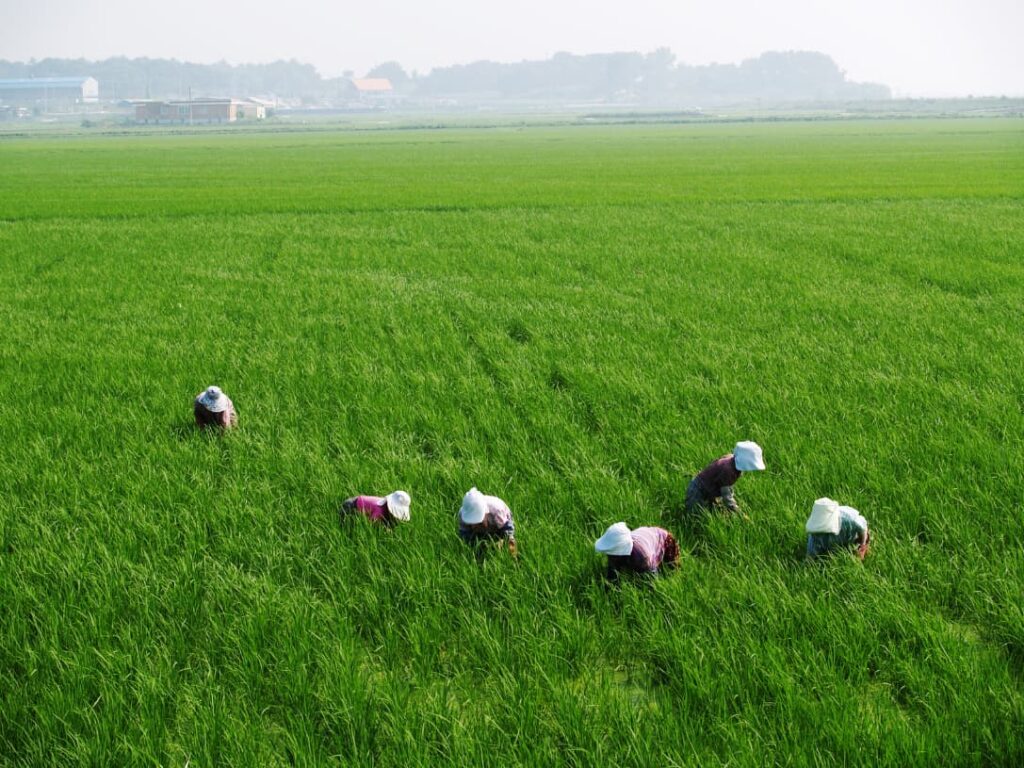
The RACO program provides farmers with a crucial new income stream by paying them for the carbon sequestered in their land, which simultaneously improves soil health and resilience against climate change.

RACO Tackles All Your Farming Issues

Enhance soil health and productivity through regenerative agricultural practices

Poor soil leads to weak roots, low yields, and high input costs.

Promote Sustainable Land Management to Combat Climate Change

Apply synthetic fertilizer, or leave fields bare, carbon is released from the soil.

Generate verified carbon credits for economic and environmental benefits

What if your soil could earn you money — just by doing what it does naturally?

Empower small-scale farmers and local communities

A healthy farm needs more than good soil — it needs a smart farmer behind it.
Ensure long-term sustainability and resilience in the agricultural sector

If your farm can’t survive a drought, price shift, or soil decline, it won’t last.

FAQs

What is regenerative agriculture?

Regenerative agriculture is a set of farming practices that restore soil health, improve biodiversity, and capture carbon from the atmosphere — all while producing food.

What do farmers need to do to join RACO?

Submit a simple application, share basic farm history, and commit to using regenerative practices. We’ll guide you through everything else.

How do carbon credits work for my farm?

Your improved soil captures more carbon. That carbon is measured, verified, and sold as a credit on carbon markets. You earn income from those sales.

Is this program only for large farms?

No — RACO is built especially for smallholder farmers and landowners, with tools and training to support your transition.

Who is eligible to join the RACO program
  • Smallholder farmers transitioning to regenerative agriculture
  • Landowners willing to implement carbon sequestration practices
  • Land classified as cropland (long-term or short-term use)
  • Land must remain as cropland or grassland during the project
  • The land must not have been a native ecosystem within the last 10 years
What’s expected of farmers in this program?
  • Apply to the RACO committee and express your interest
  • Understand the program structure, goals, and timelines
  • Share Data such as past farming practices, receipts, and invoices
  • Adopt regenerative agriculture techniques provided through training
  • Log your practices regularly in a provided farm logbook
  • Commit to maintaining regenerative practices for long-term impact